How to reduce returns in your online clothing store: 9 fixes
The fastest way to reduce returns in an online clothing store is to remove the guesswork before checkout: better fit information, honest photos, and a way for shoppers to see the item on themselves. Here are nine fixes, cheapest first.
Before you start, it helps to know where the problem sits. In a 2023 Coresight Research survey of US apparel brands and retailers, the average online apparel return rate was 24.4%. Size and fit came first among return reasons, named by 53% of respondents, well ahead of color at 16% and damage at 10%. So most of the fixes below are about fit and expectations.
1. Read your return reasons before you fix anything
If your returns form is a free text box, you are guessing. Change it so every return has one clear reason: too small, too big, looks different from the photos, color not as shown, quality, arrived damaged, changed my mind.
Then look at the reasons per product, not just store wide. One pair of jeans that runs small can drag your whole return rate up.
2. Give real garment measurements, not just a size chart
A generic size chart tells shoppers what a medium is supposed to be. Garment measurements tell them what this medium actually is: chest width, length, inseam, rise, sleeve length, measured flat.
Shoppers can compare those numbers with a piece they already own and love. That single habit catches a lot of "too small" and "too long" returns before the order is placed.
3. Say how it fits, in plain words
Next to the size selector, add one or two sentences on fit. For example: "Runs small in the shoulders, size up if you're between sizes." Or: "Relaxed fit, the model is 5'9" and wears a small."
Model height and size do a surprising amount of work. A shopper who is 5'3" now knows the trousers will pool at the ankle.
If you'd like to go further than words, you can let shoppers see your products on themselves with a free 14 day trial of OnFitt, no card needed.
4. Fix photos that set the wrong expectation
"Looks different from the photos" is a photo problem, not a shopper problem. Common causes:
- Color that is off because of lighting or editing. Shoot a color reference card and check every product on more than one screen.
- Only flat lays, so shoppers can't judge drape or length.
- Only one body type. Even two models of different heights and sizes help.
- Heavily styled shots where the garment is pinned or clipped to look slimmer than it is.
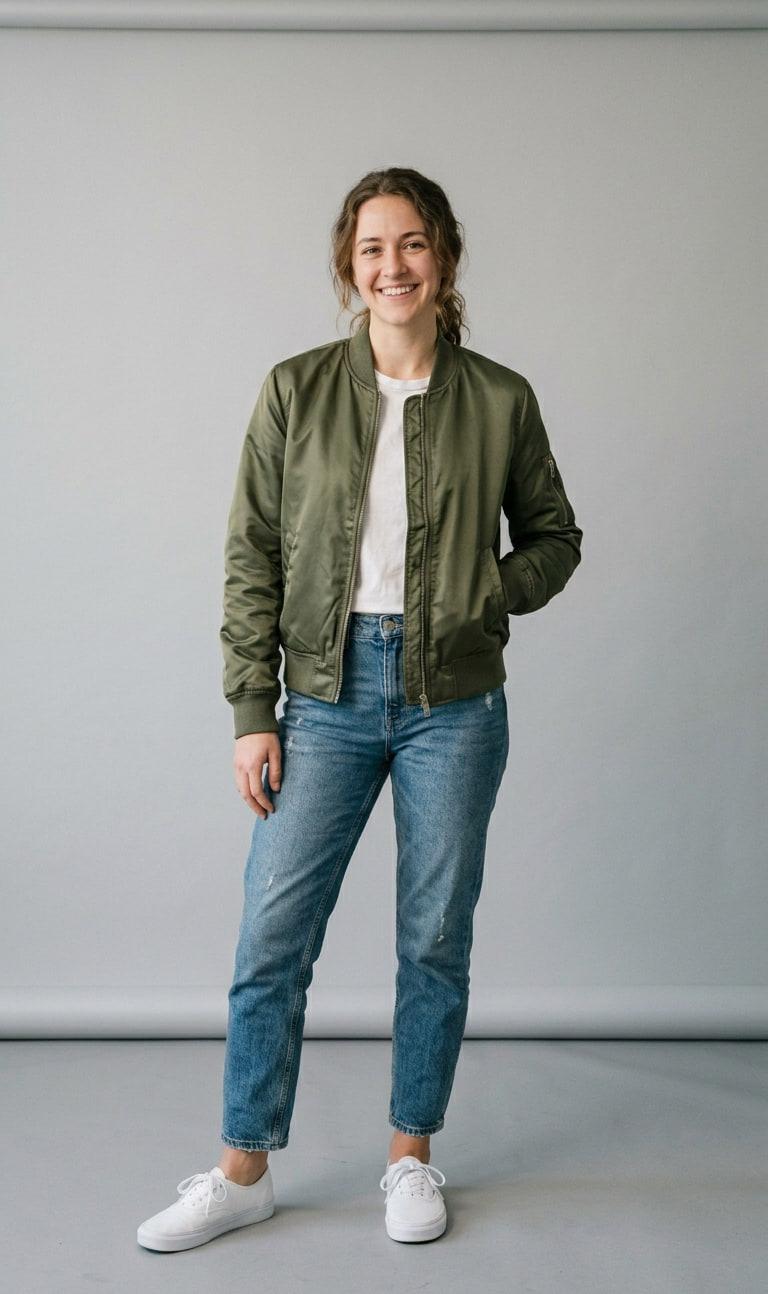
Add at least one plain, front facing photo on a person for every product. It is also the photo that works best for virtual try-on, which brings us to the next fix.
5. Let shoppers see it on themselves with virtual try-on
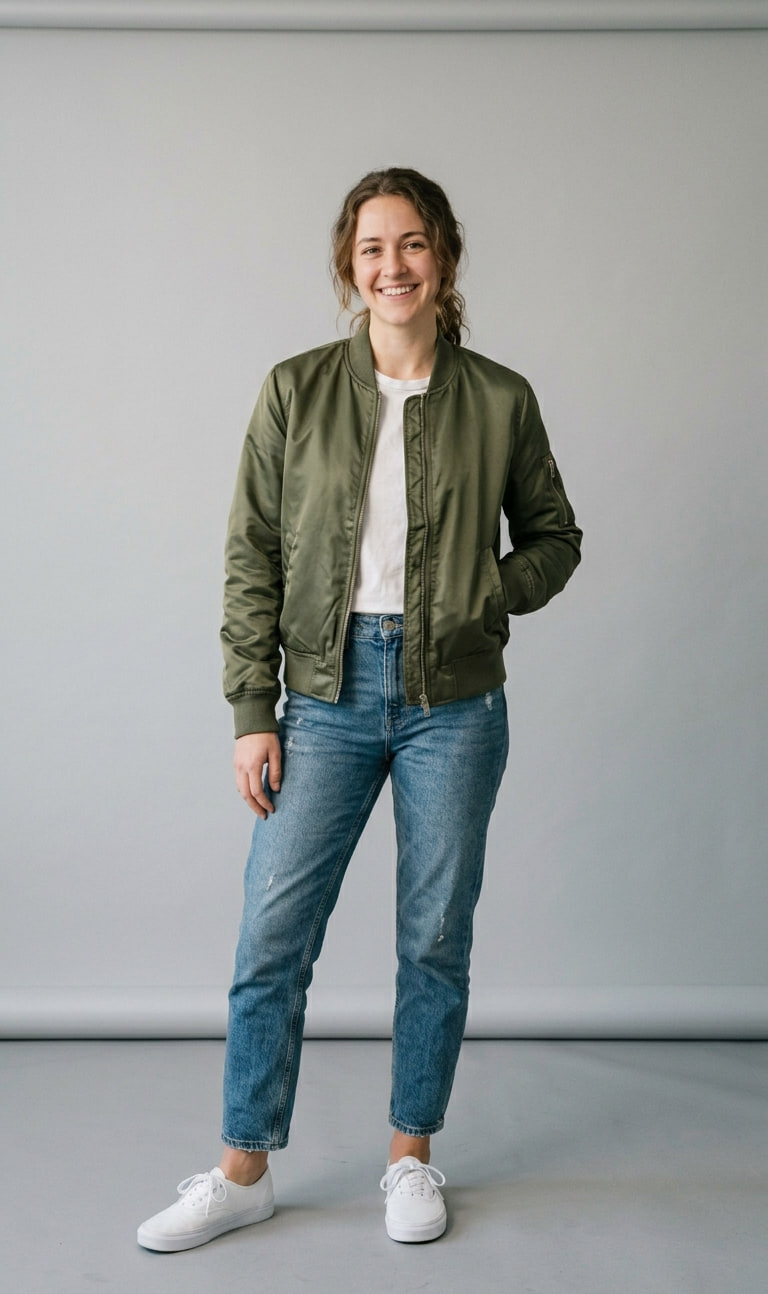
Size charts and fit notes answer "will it fit?" They don't answer "will it look good on me?", and that second question is behind a lot of the "not what I expected" returns.
A virtual fitting room puts a Try it on button on each product page. The shopper uploads a photo of themselves and sees the item on their own body, in the color they picked, before adding it to the cart. It works best for tops, dresses, jackets and other pieces where the overall look matters most.
Be honest with yourself about its limits. Virtual try-on does not tell a shopper whether a waistband will dig in, and it does nothing for damage in transit or late delivery. Treat it as one fix among nine, aimed at the look and expectation gap.
If you run Shopify, our Shopify setup guide walks through the install, which is a theme block and a pasted key. You can also see it working on a sample store in the live demo.
6. Put fit feedback in your reviews
Ask reviewers one extra question: did it run small, true to size, or large? Show the summary near the size selector.
Shoppers trust other shoppers on fit more than they trust the brand. A product where most reviewers say "runs small" is a product where you should also update the fit note from fix 3.
7. Make exchanges easier than refunds
You will never get returns to zero, so shape the ones you do get. If a shopper ordered the wrong size, an exchange keeps the sale. Offer free or cheaper exchanges, show the exchange option first in your returns flow, and make it one click to pick the new size.
It doesn't lower your return count, but it protects revenue.
When you've worked through the cheaper fixes and want to tackle the "how will it look on me" question directly, start a free trial and add a Try it on button to your product pages in an afternoon.
8. Talk to shoppers who buy two sizes
Some shoppers order the same item in two sizes and plan to send one back. That habit is called bracketing, and it is a direct response to fit doubt.
You can spot it in your order data: same product, same order, neighboring sizes. When you see it often on one product, that product needs better fit information.
9. Fix the returns that have nothing to do with fit
Some returns are about the product or the delivery, not the shopper's choice:
- Quality. If one item keeps coming back for loose seams or pilling, talk to the supplier. No product page change will fix that.
- Damage. Check packaging for items that arrive creased, stained or crushed.
- Wrong item sent. Look at your picking process if this shows up more than rarely.
- Late delivery. A coat that arrives after the trip it was bought for will come back. Show realistic delivery dates.
Track these separately so they don't hide the fit returns.
Where to start this week
Pick the two cheapest fixes: clean up your return reasons, and add garment measurements and a fit note to your ten best sellers. Then look at your photos. Once those basics are in place, virtual try-on deals with what's left, the question of how the piece will look on the person buying it.
You can try OnFitt free for 14 days on your own store and see which products shoppers try on most. If you are not on Shopify, the integration guide covers the one line script tag that works on WooCommerce, Webflow, BigCommerce and plain HTML stores.
FAQ
What is a normal return rate for an online clothing store?
It varies a lot by category and price point, so compare against your own past months first. As one reference point, Coresight Research's 2023 survey of US apparel brands put the average online apparel return rate at 24.4%.
What is the most common reason clothes get returned?
Size and fit. In the same Coresight survey it was the top reason by a wide margin, ahead of color and damage. That is why most of the fixes above start with fit.
Does virtual try-on reduce returns?
It targets the returns caused by "it looked different on me" and "not what I expected," by letting shoppers see the item on their own photo before buying. It does not help with quality, damage or delivery returns. The honest way to know is to compare return rates on orders where shoppers used try-on against those where they didn't.
Have questions about virtual try-on for your store?
Contact us