Fashion ecommerce returns: why they happen and which to prevent
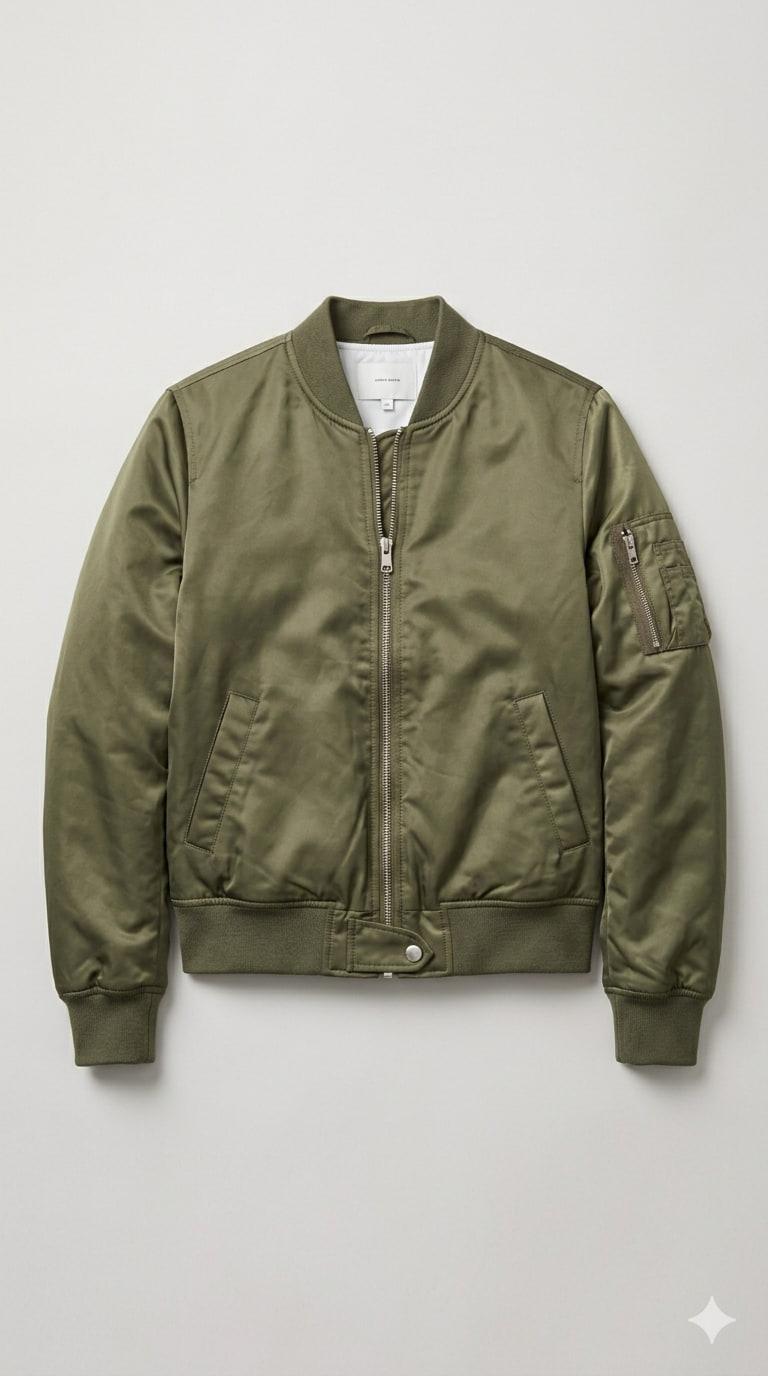
Fashion ecommerce returns are high because clothing is the hardest thing to judge through a screen: shoppers can't feel the fabric, check the fit or see the piece on their own body. Most of those returns are preventable, but not all of them, and knowing which is which saves you a lot of wasted effort.
Below, the usual return reasons are sorted into three groups: preventable on the product page, preventable behind the scenes, and ones to plan for instead of fight.
Why fashion ecommerce returns run higher than other categories
With clothing, the same "medium" fits differently from brand to brand, a color looks warmer on one screen than another, and a dress that looks great on a tall model can look very different on someone shorter.
The numbers back this up. In a 2023 Coresight Research survey of US apparel brands and retailers, the average online apparel return rate was 24.4%. Size and fit was the most common reason, named by 53% of respondents, followed by color at 16% and damage at 10%.
So the biggest share of your returns is a fit and expectation problem, which is the part you control most.
The returns you can prevent on the product page
These come from a gap between what the shopper pictured and what arrived. Every one of them starts on your product page.
"Too small" and "too big"
Fit returns usually mean the shopper had to guess. A generic size chart says what a medium is meant to be, not what this particular medium measures. Add real garment measurements, taken flat, and a sentence on how the piece fits: "Runs small in the shoulders, size up if you are between sizes."
Model height and size help too: a shopper who is 5'2" can tell where a midi skirt will land.
"Looks different from the photos"
This one is about expectations. Common causes are color that drifts in editing, only flat lay photos so nobody can judge drape, and styling clips that make a garment look slimmer than it is. One plain, front facing photo on a person for every product goes a long way.
"Didn't suit me"
This is the return a size chart can't fix. The fit was fine, the color was accurate, and the shopper still didn't like how it looked on them.
A virtual fitting room is built for exactly this. The shopper taps Try it on, adds a photo of themselves, and sees the piece on their own body before buying. If you want the full picture, our guide to how a virtual fitting room works explains what happens behind the button.
You can test this on your own products with a free 14 day trial of OnFitt, and see which items shoppers try on most.
Bracketing
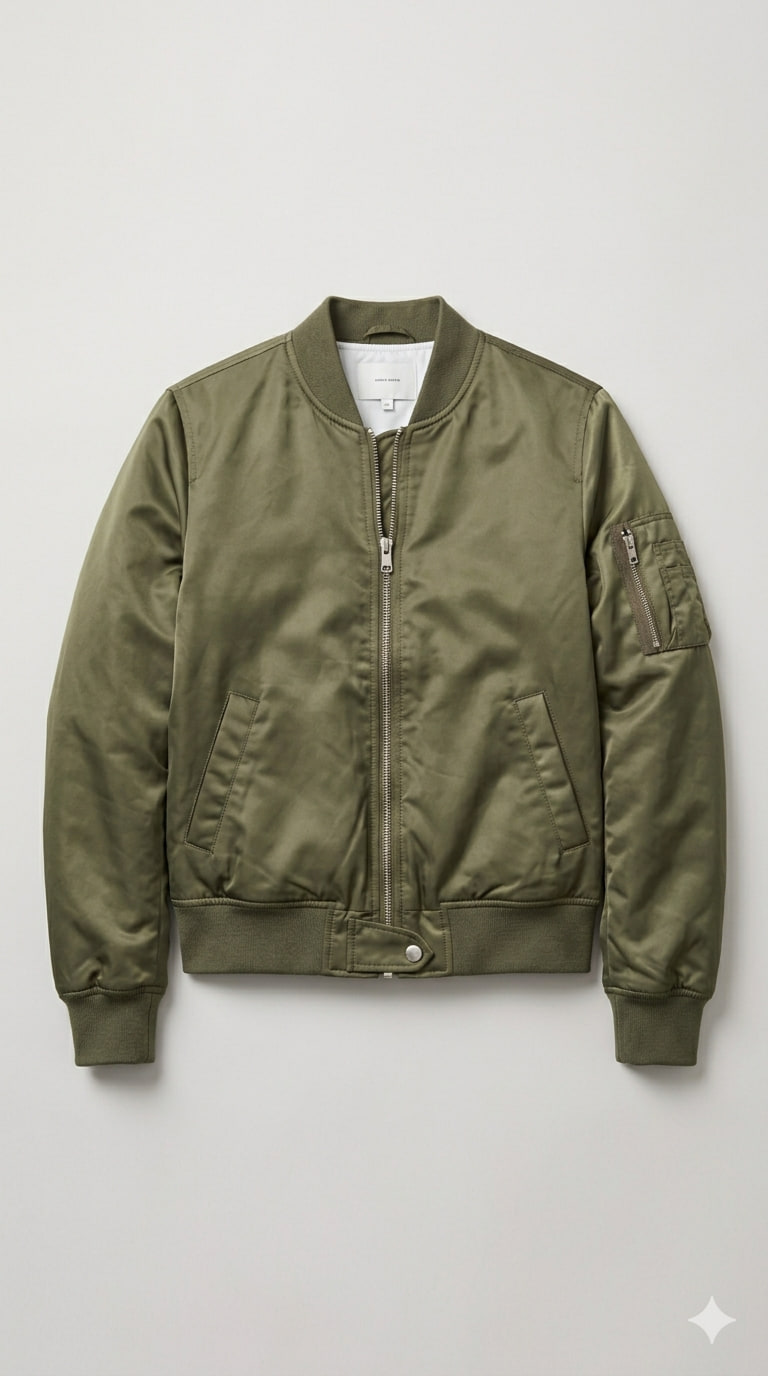
Some shoppers order the same item in two sizes, or two colors, and plan to send one back. It is a sensible response to doubt, and it shows up in your order data as the same product, in neighboring sizes, in one order.
When one product gets bracketed a lot, it needs better fit notes, better photos, or a way for shoppers to see it on themselves first.
The returns you can prevent behind the scenes
These have nothing to do with the shopper's choice. They come from your product, your packing or your delivery promises.
- Quality. If a sweater keeps coming back for pilling or loose seams, the fix is a conversation with the supplier. No product page change will help.
- Damage in transit. Look at how items arrive. Creased, crushed or stained parcels point to packaging.
- Wrong item sent. If this happens more than now and then, check your picking and labeling.
- Late delivery. A dress that arrives after the wedding it was bought for will come back. Show honest delivery dates, especially before holidays and events.
Track these separately from fit returns. Otherwise a packaging problem can make it look like your size chart failed.
Once your product pages give shoppers what they need to choose well, the remaining look and fit doubt is where a try-on button earns its place. Start a free OnFitt trial and add one to your product pages in an afternoon.
The returns you should plan for, not fight
Some returns aren't a sign that anything went wrong.
- Changed my mind. People are allowed to change their minds, and a fair return policy is part of why they buy from you in the first place.
- Gifts. A gift that doesn't suit the person who received it will come back. Gift receipts and easy exchanges keep that money in your store.
- Wardrobing. A few shoppers wear something once and return it. A clear policy on tags and condition handles most of it.
For these, the goal is to keep the sale, not stop the return. Make exchanges easier than refunds, offer store credit with a small bonus, and put the exchange option first in your returns flow.
How to find out which returns your store actually has
You can't fix what you can't see. Three steps get you a clear picture in about a week:
- Make return reasons a required choice. Too small, too big, looks different from photos, color not as shown, didn't suit me, quality, damaged, late, changed my mind.
- Look per product, not just store wide. One pair of trousers that runs small can drag your whole rate up.
- Sort the reasons into the three groups above. Then spend your time on the first group, where product page changes pay off fastest.
If you want a list of fixes to work through once you know your numbers, our post on how to reduce returns in your online clothing store has nine, cheapest first.
Where to start
Start with the preventable returns on your best sellers. Add garment measurements and a fit note, check your photos on more than one screen, and look at which items get bracketed. Then give shoppers a way to see the piece on themselves, which handles the "didn't suit me" returns nothing else reaches.
OnFitt adds a Try it on button to every product page with one script tag, or with our app if you are on Shopify (setup guide here). You can see it working in the live demo store, then try it free for 14 days on your own catalog. Not on Shopify? The integration guide covers WooCommerce, Webflow, BigCommerce and plain HTML stores.
FAQ
Why are fashion ecommerce returns so high?
Shoppers can't try clothes on, sizes vary between brands, and photos don't always show color or fit accurately. Coresight Research's 2023 survey of US apparel brands found size and fit was the most common reason for online returns.
What percentage of fashion returns can be prevented?
It depends on your store, so check your own return reasons first. Fit, photo and "didn't suit me" returns are largely preventable. Gifts and changed minds are better handled with easy exchanges.
Does a virtual fitting room help with every kind of return?
No. It helps when shoppers don't know how a piece will look on them. It does nothing for quality, damage or late delivery.
What is bracketing in fashion ecommerce?
Bracketing is when a shopper buys the same item in more than one size or color, planning to return the ones that don't work. It usually means the product page left them unsure about fit or look.
Have questions about virtual try-on for your store?
Contact us