Bracketing returns: why shoppers buy two sizes and send one back
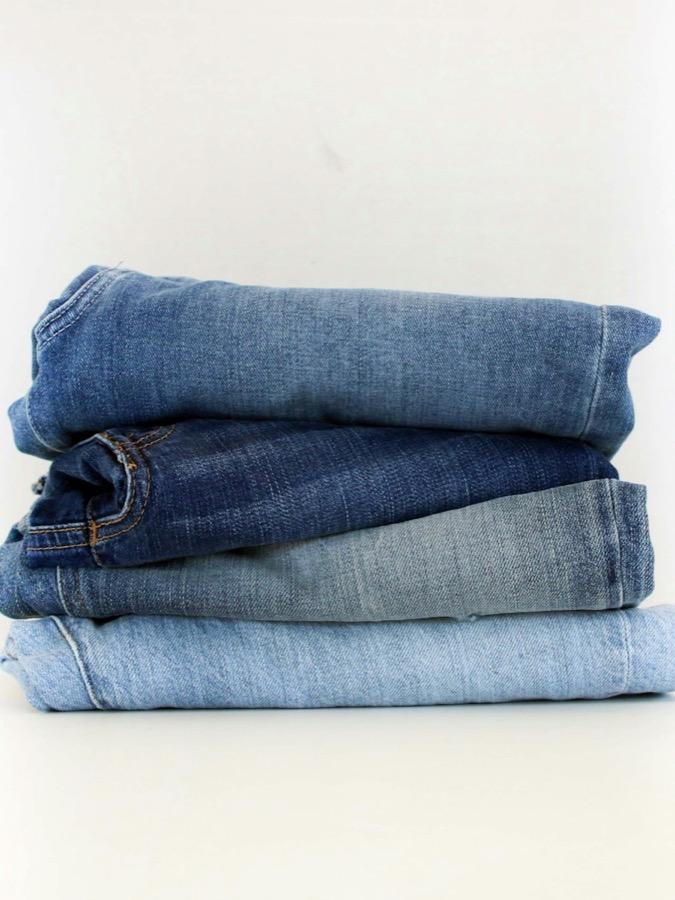
Bracketing is when a shopper orders the same item in two or three sizes, keeps the one that fits and sends the rest back. It is not a bad customer habit. It is a shopper telling you they could not decide from your product page, and that is something you can fix.
This guide covers why bracketing happens, how to find it in your own orders, and what to change so one size feels like a safe bet.
What bracketing returns look like in your store
A bracketed order is easy to recognize once you know the pattern: the same product, in neighboring sizes, in one order. Sometimes it is two colors of the same piece instead. A week later, one of them comes back with a reason like "too big" or "didn't like the color".
You pay for it twice. Once in shipping and handling for the item that comes back, and again in stock that sits in a return queue instead of on the shelf, often through the busiest weeks of the season.
Why shoppers bracket
Shoppers bracket because they are unsure, and ordering two sizes feels cheaper than ordering one and being wrong. Fit is the biggest source of that doubt. In a 2023 Coresight Research survey of US apparel brands and retailers, size and fit was the most common return reason, named by 53% of respondents.
The usual triggers are:
- Sizing that changes from brand to brand. A shopper who is a medium in one label and a large in another has no reason to trust your medium until they have worn it.
- A size chart that describes the body, not the garment. Chest and waist ranges say who a size is meant for. They don't say how this particular jacket sits across the shoulders.
- No sense of how it looks on them. Even when fit is fine, shoppers bracket colors or styles because they can't picture the piece on their own body.
- Free and easy returns. A generous policy is good for trust, but it also removes any cost to ordering extra. Shoppers are being rational.
The first three are information problems, and information is what your product page is for.
How to spot bracketing in your order data
An export of orders and returns from your store is enough to start.
- Find orders with the same product in more than one size. Most store platforms let you export line items with the variant name, so you can sort by order and product.
- Check what happened next. If one of those sizes came back within a few weeks, mark the order as bracketed.
- Rank products by how often it happens. A handful of items usually account for most of it, often fitted pieces like jeans, blazers and dresses.
- Read the return reasons for those products. "Too small" on one size and "too big" on the other tells you shoppers are landing between your sizes.
That short list of products is where to spend your effort first. If you want a wider view of every return type, not just bracketing, our breakdown of what drives fashion ecommerce returns sorts them into the ones you can prevent and the ones to plan for.
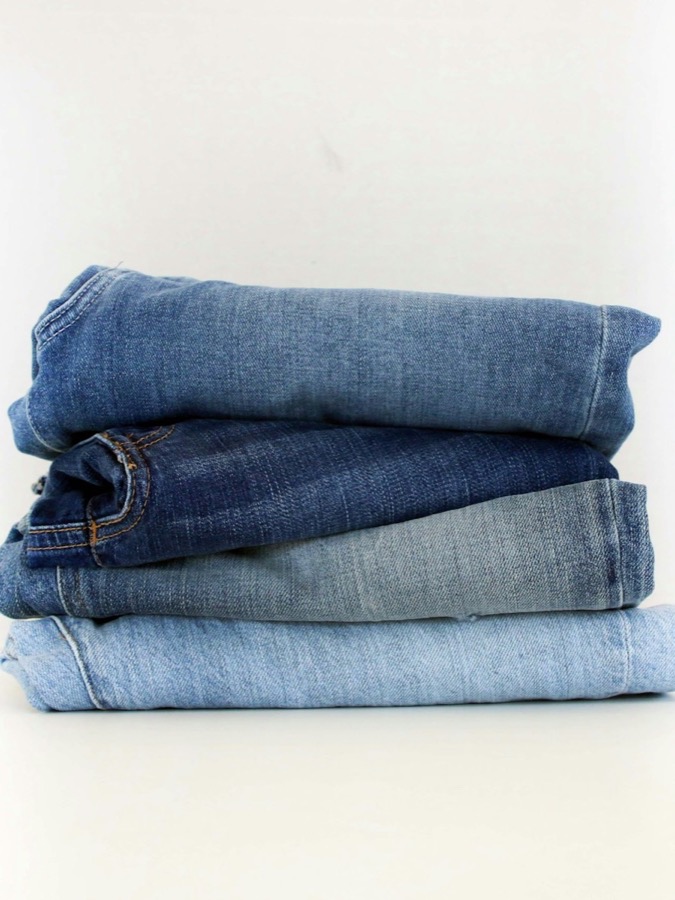
How to reduce bracketing returns without punishing shoppers
Stricter return rules can lower returns, but they also lose careful shoppers who would have kept one item. The better move is to remove the doubt that makes a second size feel necessary.
Give real garment measurements
Measure the actual piece, laid flat, for every size: chest, waist, hip, length, and inseam or sleeve where it matters. A shopper can then compare it with something they already own and love, which is far more reliable than a body chart.
Say how it fits, in plain words
One honest sentence does a lot of work: "Runs small in the hips, size up if you are between sizes." or "Relaxed through the body, most people take their usual size." If your return reasons keep saying the same thing, put that answer on the page.
Show the model's height and size
"Model is 5'9" and wears a small" lets a shopper judge where a hem or waist will land on them.
Let shoppers see it on themselves
The doubt that drives color and style bracketing is "will this look good on me?", and no measurement answers that. A virtual fitting room does. The shopper taps a button on the product page, adds a photo of themselves, and sees the item on their own body before they choose. This explainer on virtual fitting rooms shows how it works.
You can add this to your own product pages with a free 14 day trial of OnFitt. No card is needed, and you can start with the products your order data flagged.
Use your reviews
Ask reviewers which size they bought and how it fit, and show that next to the size selector. "Most buyers say this fits true to size" is the kind of reassurance that keeps a second size out of the cart.
Where these fixes won't help
Some shoppers will always order two sizes for an important event, and a gift buyer guessing someone else's size will bracket no matter what you show them.
Bracketing also isn't the cause of every return. If a product keeps coming back for quality or damage, better fit information won't change that. For a full list of fixes across return types, see our guide to reducing returns in an online clothing store.
The goal isn't zero bracketing. It is fewer shoppers who feel they have to.
A simple plan for this month
- Pull your orders and returns and list the five most bracketed products.
- Add flat garment measurements and one fit sentence to each.
- Add model height and size to every photo set for those products.
- Give shoppers a way to see those items on themselves, then compare bracketed orders for the next few weeks with the weeks before.
If you want to see what shoppers would see first, open the OnFitt demo store and try a few products on. When you're ready to test it on your own catalog, start your free trial and set it up on your most bracketed items first.
You can also create an OnFitt account today and add the try-on button with one script tag, or with the Shopify app if you sell on Shopify.
FAQ
What are bracketing returns?
Bracketing returns happen when a shopper buys the same item in more than one size or color, planning to keep one and return the rest. They are a sign of doubt, usually about fit.
Should I stop customers from bracketing?
Blocking it outright, for example by limiting one size per order, tends to cost you sales from shoppers who would have kept one item. It usually works better to reduce the uncertainty behind it with measurements, fit notes and a way to see the item on themselves.
Which products get bracketed the most?
Fitted pieces are the usual suspects: jeans, trousers, blazers, dresses and anything with a waist. Your own order data is the best guide, so rank your products by how often they appear in more than one size in one order.
Does virtual try-on stop bracketing?
It helps most with the "will this suit me" doubt behind color and style bracketing, because the shopper sees the item on their own photo before buying. For pure size questions, pair it with real garment measurements and clear fit notes.
Have questions about virtual try-on for your store?
Contact us